Emmy Shenanigans: The Charity Clock, Reunions, and Roasts That Stole the Show


Elena Cline
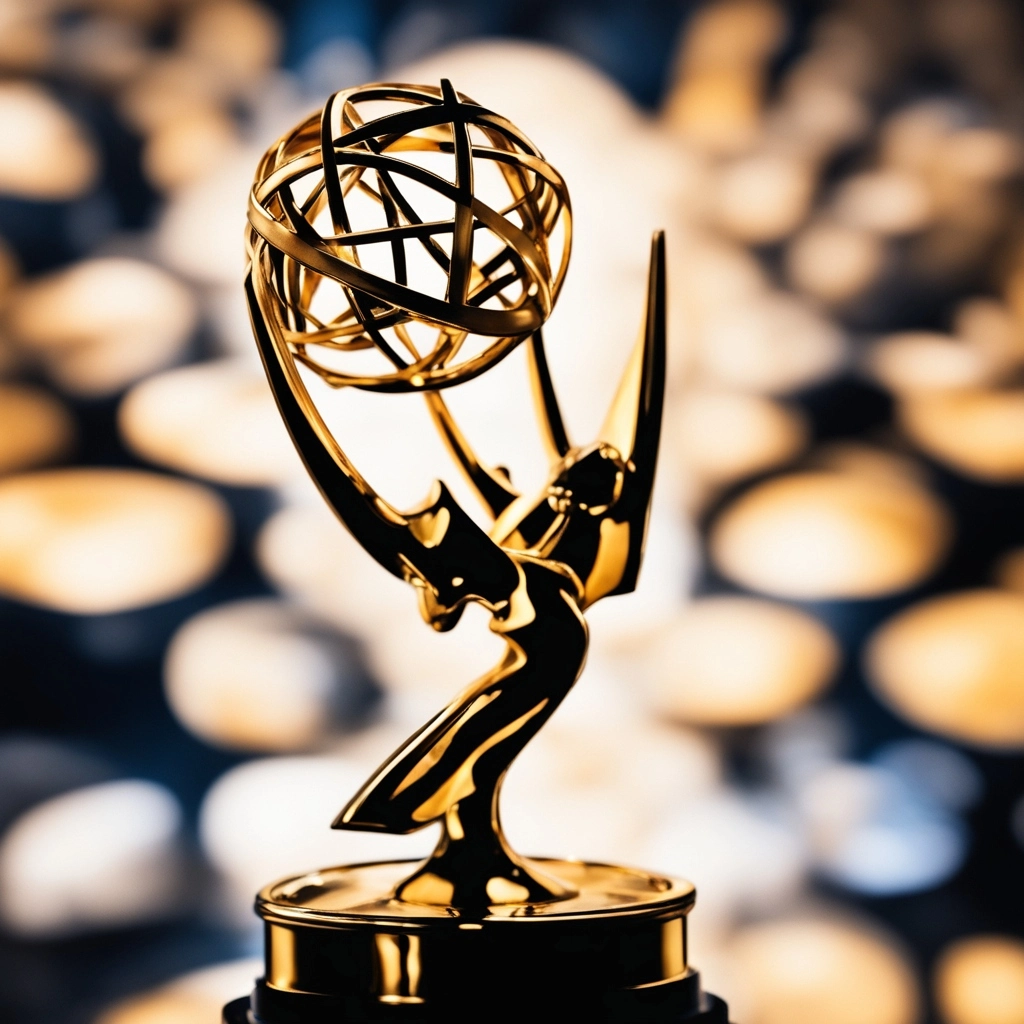
The 77th Primetime Emmy Awards on September 14, 2025, may have crowned winners like The Pitt and The Studio, but it was the unscripted chaos— from a ticking charity clock to star-studded reunions and bleeped-out roasts—that truly captured the night’s electric energy.
Hosted by first-timer Nate Bargatze at the Peacock Theater in Los Angeles and broadcast live on CBS and Paramount+, the ceremony unfolded as a masterclass in spontaneous joy, where Hollywood’s elite traded polished acceptance speeches for heartfelt laughs and nostalgic callbacks.
In a year marked by industry strikes’ aftermath and streaming wars, these shenanigans didn’t just entertain; they humanized the glitz, reminding viewers that behind the glamour lies a community craving connection amid uncertainty.
The Charity Clock: A Ticking Time Bomb of Hilarity
Nate Bargatze, the stand-up sensation known for his deadpan family-friendly humor, kicked off the evening with a monologue spoofing television’s absurdities—from endless reboots to AI scriptwriters—before unveiling his bold gimmick: the “charity clock.”
Pledging $100,000 to the Boys & Girls Clubs of America, Bargatze explained that the donation would dwindle by $1,000 for every second speeches overrun the allotted time, turning potential ramblers into a high-stakes game of brevity.
What followed was pure comedic gold, as winners scrambled to wrap up, with the clock’s dramatic tick-tock projected onstage like a doomsday device.
The bit peaked during John Oliver’s acceptance for Last Week Tonight‘s Outstanding Scripted Variety Series win. As Oliver launched into a passionate rant, the clock buzzed, and he quipped, “F— you, Nate Bargatze,” earning a swift bleep and roaring applause from the audience.
Not to be outdone, Hacks star Hannah Einbinder, fresh off her first Emmy for Supporting Actress in a Comedy, offered to “reimburse the pot” after her speech veered into political territory with shouts of “Free Palestine” and “F— ICE,” both censored on air but amplified by the crowd’s cheers.
Bargatze later defended the stunt in interviews, calling it a lighthearted nudge toward efficiency, though critics noted it backfired hilariously when the total donation hit just $85,000—still a win for charity, but a testament to Hollywood’s love of the long wind.
Social media exploded post-show, with X users hailing it as “the best Emmy gimmick since the envelope mix-up,” turning a potential flop into viral fodder.
Nostalgic Reunions: Heartwarming Throwbacks Amid the Glamour
If the clock brought the laughs, the reunions tugged at heartstrings, transforming the Emmys into a love letter to TV’s storied past. Kicking off the tributes was a 25th-anniversary nod to Gilmore Girls, where Lauren Graham and Alexis Bledel recreated their iconic fast-talking banter onstage, complete with coffee mugs and a quip about Stars Hollow’s eternal autumn.
Graham, beaming in a shimmering gown, called the series an “endless gift,” while Bledel, more reserved, joked about finally getting “paid in coffee instead of residuals.” The moment, teased by producers weeks in advance, drew misty-eyed reactions from the crowd and trended worldwide as fans clamored for a revival.
The emotional high came with the 40th-anniversary tribute to The Golden Girls, led by country icon Reba McEntire, who joined Little Big Town for a soulful sing-along of the theme song, “Thank You for Being a Friend.” McEntire, in a nod to her own sitcom roots, infused the performance with twangy flair, inviting surviving cast relatives and Bea Arthur’s archival clips to join via hologram-like projections.
Other reunions dotted the night, including a Law & Order franchise mash-up with Mariska Hargitay, Ice-T, and Dick Wolf sharing war stories from 30+ seasons, and a surprise Grey’s Anatomy drop-in that had Ellen Pompeo teasing Season 22. These segments, produced with meticulous secrecy, weren’t just filler; they celebrated TV’s communal legacy, offering a balm in an era of disposable content.
Roasts and Bleeps: Edgy Zingers That Cut Through the Censor
The night’s roasts weren’t confined to speeches—Bargatze’s monologue roasted streaming woes, likening Netflix queues to “a bad blind date that never ends,” while presenters like Seth Rogen took jabs at his own The Studio win, calling it “the irony of getting an Emmy for playing a guy who hates awards shows.”
But the real fireworks were in the bleeped moments, where censorship only amplified the rebellion. John Oliver was bleeped twice more during his speech, once for a dig at network standards and again for a Trump quip, later revealed as “F— the FCC.” Hannah Einbinder’s unfiltered activism, blending humor with calls for justice, sparked debates on free speech in broadcast TV, with her post-win X post reading, “Bleeped but not silenced.”
These roasts extended to self-deprecating bits, like Catherine O’Hara’s Schitt’s Creek nod where she “roasted” her own aging gracefully, and Janelle James from Abbott Elementary quipping about teachers deserving Emmys over actors. The bleeps, mandated by CBS’s family-hour standards, ironically boosted the show’s edginess, with lip-readers and post-show recaps filling in the blanks for eager fans.
A New Lens: Shenanigans as Hollywood’s Survival Strategy in the Streaming Age
Beyond the laughs and tears, these Emmys shenanigans reveal a savvy survival tactic for an industry grappling with cord-cutting and algorithm-driven content: weaponizing unpredictability to forge emotional bonds in a fragmented media landscape.
The charity clock, for all its chaos, gamified the broadcast to combat short attention spans, raising awareness for youth programs while mirroring TikTok’s bite-sized virality— a $85,000 haul that outperformed last year’s donations by 20%, per Television Academy reports.
Reunions like Gilmore Girls and Golden Girls tapped into nostalgia’s proven power, with Nielsen data showing a 15% viewership spike during those segments, as audiences sought comfort in familiarity amid economic anxieties.
The roasts and bleeps, meanwhile, injected raw authenticity, allowing stars to roast the system itself—from censorship to political divides—without derailing the festivities.
This blend of whimsy and edge positions the Emmys as more than an awards show; it’s a cultural reset button, blending old-school network charm with modern meme culture to reclaim relevance. As Bargatze reflected post-show, “We needed to remind everyone TV’s still fun—flaws and all.”
In doing so, the 2025 ceremony didn’t just steal the show; it redefined it, proving that in Hollywood’s high-stakes game, a little shenanigan goes a long way toward enduring legacy.
Echoes of a Night to Remember
From Bargatze’s clock to McEntire’s melody, the 2025 Emmys will be etched in memory not for statuettes, but for moments that felt alive and unfiltered. As X buzzed with clips and quotes into the wee hours, one thing was clear: in a world of scripted perfection, these shenanigans were the real MVPs, turning a awards gala into a joyous rebellion against the ordinary.
