The Underdog Triumph: How “The Pitt” and Newcomer Shows Redefined Emmy Glory in 2025


Elena Cline
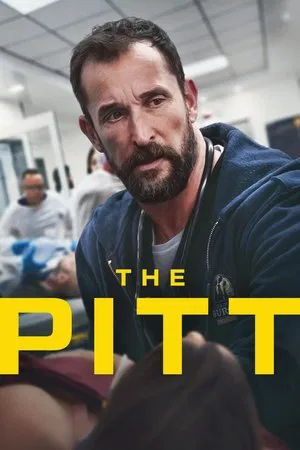
In an awards season often dominated by blockbuster franchises and established powerhouses, the 77th Primetime Emmy Awards on September 14, 2025, flipped the script.
HBO Max’s freshman medical drama The Pitt stunned the industry by clinching the Outstanding Drama Series award, with star Noah Wyle securing the Lead Actor prize in a back-to-back sweep that left heavyweights like Apple TV+’s Severance—the most-nominated show with 27 nods—in the dust.
This wasn’t an isolated upset; newcomers like Seth Rogen’s The Studio on Apple TV+ and Netflix’s limited series Adolescence also claimed top honors, signaling a seismic shift toward fresh voices and unassuming narratives in television’s glittering night.
Hosted by comedian Nate Bargatze at the Peacock Theater in Los Angeles, the ceremony—broadcast on CBS and Paramount+—celebrated underdogs in a way that felt refreshingly subversive, rewarding risk over repetition in a post-pandemic, post-strike landscape hungry for authenticity.
The Shockwaves of The Pitt‘s Victory
At the heart of this underdog narrative was The Pitt, a gritty procedural following the high-stakes world of Pittsburgh’s underfunded trauma center, starring Noah Wyle as the weary yet resilient Dr. Michael “Robby” Robinson.
Despite entering the race as a relative unknown—a straight-to-streaming reboot of sorts for the ER alum—the show amassed 13 nominations and emerged victorious in the drama category, beating out frontrunners like Severance, The Last of Us Season 2, and Succession‘s final bow.
Wyle’s win for Lead Actor was equally improbable; the 54-year-old actor, returning to the medical genre that launched his career three decades ago, delivered a tearful acceptance speech thanking the “real heroes in scrubs” who inspired the series amid ongoing healthcare debates.
What made The Pitt such a dark horse? Critics point to its deliberate throwback style: eschewing CGI spectacles and sprawling arcs for tight, episode-driven stories that hark back to the golden age of network procedurals like ER or St. Elsewhere.
In an era where streaming giants chase Marvel-esque universes, The Pitt‘s modest budget and focus on ensemble chemistry resonated with Emmy voters fatigued by overproduced epics. HBO chief Casey Bloys, in a post-win interview, called it “a reminder that great TV doesn’t need a $20 million-per-episode price tag—just heart and hustle.”
Viewership data backs this up: While Severance boasted massive buzz from its existential thriller premise, The Pitt quietly built a loyal audience through word-of-mouth, peaking at 15 million weekly viewers on Max, per Nielsen reports—a solid but unflashy number that underscored its grassroots appeal.
Newcomers Stealing the Spotlight: The Studio and Adolescence
The underdog wave extended beyond dramas. Apple TV+’s The Studio, a satirical take on Hollywood’s cutthroat studio system led by Seth Rogen as a bumbling exec navigating AI disruptions and corporate mergers, snagged Outstanding Comedy Series, edging out perennial favorites like Hacks and The Bear.
Rogen’s win for Lead Actor in a Comedy—his first Emmy after years of nominations—highlighted the show’s meta-humor, poking fun at the very industry handing out the awards. Similarly, Netflix’s Adolescence, a coming-of-age limited series about a queer teen navigating identity in rural America, dominated the limited series categories, with 15-year-old newcomer Owen Cooper making history as the youngest winner ever for Lead Actor in a Limited Series.
Cooper’s emotional onstage moment—thanking his family for supporting his “step out of the comfort zone”—drew a standing ovation and underscored the Emmys’ embrace of diverse, first-time talents.
These wins weren’t just feel-good anomalies; they reflected a broader pattern of first-timers injecting “fresh blood” into the awards, as one Deadline analysis put it. Supporting nods went to under-the-radar performers like Tramell Tillman (Severance), the first Black actor to win Supporting Actor in a Drama, and Jeff Hiller (Somebody Somewhere), celebrated as “the season’s biggest underdog” for his heartfelt portrayal of a small-town misfit.
Even in snubs, the underdog theme shone: Severance‘s loss, despite its 27 nominations, was seen as voters prioritizing innovation over hype, with Adam Scott’s overlooked performance sparking online debates about genre bias.
A New Lens: The Renaissance of ‘Everyday Epic’ Storytelling
While the triumphs of The Pitt, The Studio, and Adolescence have been hailed as a rebellion against franchise dominance, a deeper perspective reveals something more profound: the 2025 Emmys herald a renaissance of “everyday epic” storytelling, where ordinary lives amplified through intimate, character-focused lenses outshine spectacle-driven narratives.
This isn’t mere backlash; it’s a strategic pivot in an industry reeling from the 2023 writers’ and actors’ strikes, which exposed the fragility of IP-chasing behemoths.
Consider the context: Post-strike, studios like HBO and Apple TV+ have leaned into cost-effective, creator-driven projects that prioritize emotional resonance over visual excess. The Pitt‘s success, for instance, mirrors a viewer craving for relatable heroism—doctors battling burnout and bureaucracy—amid real-world healthcare crises, much like how The Studio satirizes AI’s encroachment on creativity at a time when tools like Grok are reshaping content production.
Data from Parrot Analytics shows a 25% uptick in demand for procedural and slice-of-life genres in 2025, as audiences tire of multiverse fatigue from Marvel and Star Wars spin-offs. Adolescence‘s win further amplifies this, representing a surge in youth-led stories that capture Gen Z’s unfiltered experiences, free from the polished gloss of legacy IPs.
This new view positions the underdogs not as anomalies but as harbingers of TV’s next evolution: a hybrid model blending streaming’s global reach with network TV’s proven formula of accessible, bingeable humanity.
As Bloys noted, “Voters are signaling that the future belongs to shows that feel lived-in, not manufactured.” With Severance‘s creators already teasing a more grounded Season 3 in response, the Emmys may have inadvertently democratized prestige TV, empowering newcomers to redefine what “glory” looks like.
Looking Ahead: Underdogs as the New Kings
The 2025 Emmys, with its charity-timed speeches and nostalgic reunions, may go down as the night that crowned the underdogs. By elevating The Pitt and its ilk, the Academy has challenged Hollywood to invest in bold originals rather than safe sequels, potentially reshaping pilot seasons and development slates for years to come.
In a divided cultural moment, these wins remind us that true triumph often comes from the unlikeliest places—proving that in television, as in life, the underdog’s bark can indeed become a defining roar.
